


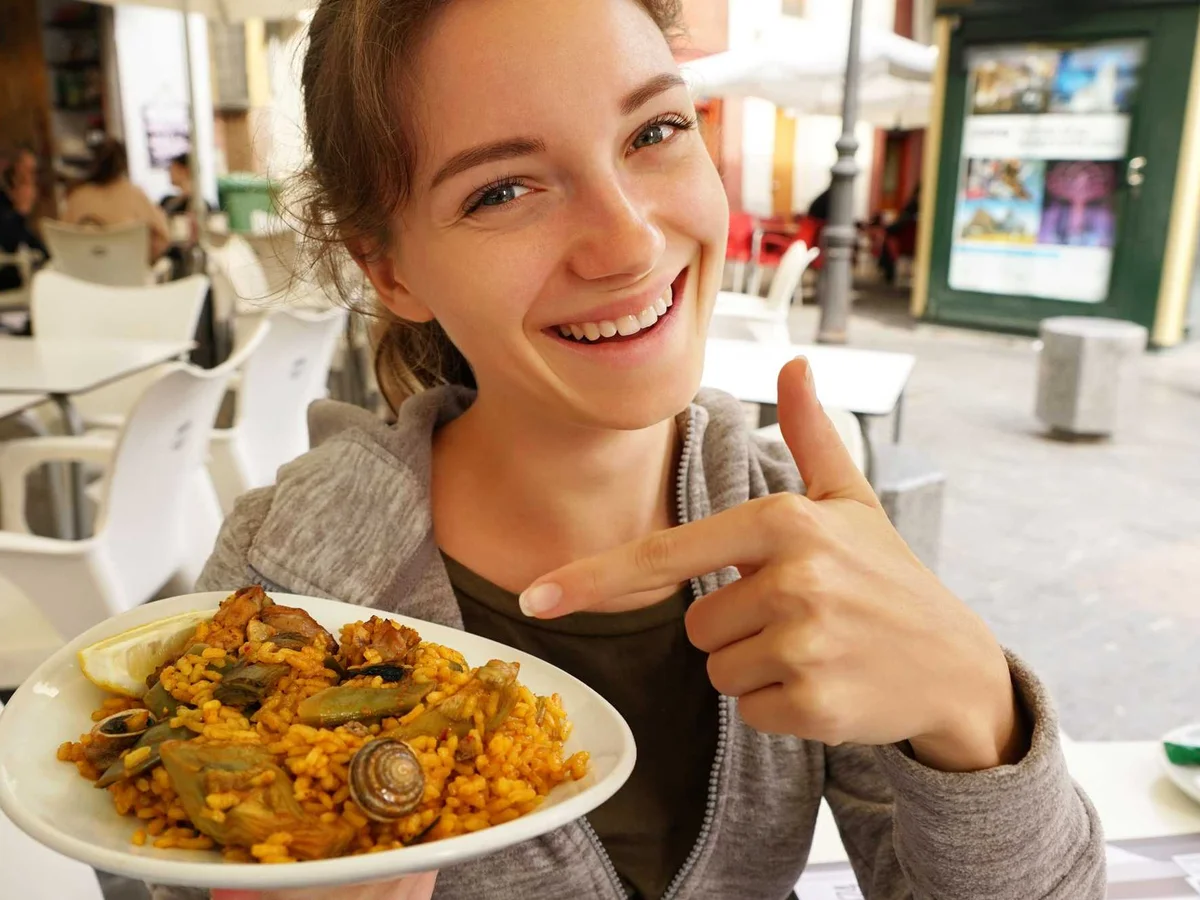
A food tour is a guided walk through a few places to eat, with someone explaining what you are eating and why it matters here. Done well it is one of the best few hours you can spend in an unfamiliar city. Done badly it is a march between restaurants that pay commission.
What a good one gives you
Context. Anyone can find a well-reviewed restaurant. What is harder is knowing why a dish exists — what was cheap here, who arrived and brought what with them, what the neighbourhood used to be.
Places you would not have entered. Food tours frequently stop at counters and market stalls with no menu in English and no reason for a visitor to walk in.
Calibration. After two hours you know what things should cost, what portions look like, and which dishes are worth ordering for the rest of the trip. That is worth more than the meal itself.
A first day that works. A food tour on your first morning makes the following days better. Most people book one at the end and wish they had gone earlier.
Telling a good one from a bad one
How many stops, and how long. Three to five stops over two to three hours is about right. More than that and you are being rushed.


Whether it is a walk or a meal. A good tour keeps portions small so you can taste at every stop.
Group size. Above about twelve, you stop being able to hear the guide and the venues stop being able to accommodate you.
Who runs it. A guide who is from the place, or has lived there a long time, gives you a different tour from someone reading a script.
Whether the stops feel chosen. If every venue is large, tourist-facing and conveniently on one street, the tour was built around who would take a booking.
Practical
Go hungry but not starving. Tell them about allergies and restrictions when you book, not on the day — small kitchens cannot improvise.
Wear shoes you can walk several miles in.
And write down the places you liked. The point of a food tour is the rest of the week.

