


Hawaii grows things that grow almost nowhere else in the United States, and a farm tour is one of the better ways to understand the islands beyond the beach. The quality varies enormously, and the difference is usually whether it is a working farm or a retail operation with a walk attached.
What is worth seeing
Coffee. The only US state producing it commercially at scale. A good tour covers the whole chain — cherry, pulping, drying, milling, roasting — and ends with a cupping that shows you what the processing actually does to the flavour.
Macadamia. More interesting than it sounds, mainly because of how difficult the nut is to crack and how much of the operation is built around that.
Cacao. Hawaii is the only US state where cacao grows. Small operations, and the fermentation and drying stages are the part people find genuinely surprising.
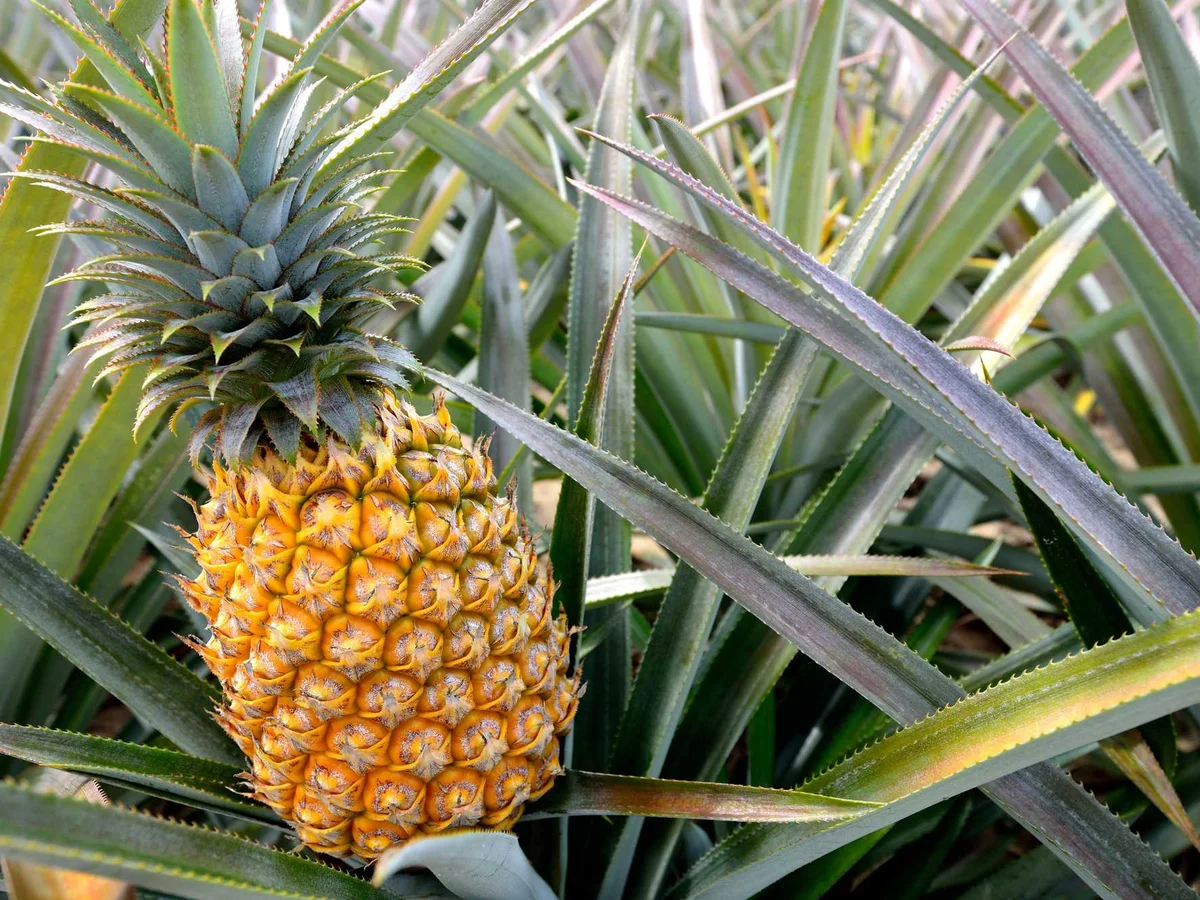
Pineapple, taro, vanilla, tropical fruit. Varying in interest; taro tours are frequently the most culturally substantial thing on offer.
Telling a good tour from a shop
Do you go into the field? A tour conducted entirely in a visitor centre is a tasting, not a farm tour.


Who guides it? Someone who works the farm gives a different tour from a seasonal guide reading a script.
Is it a working farm? Ask what they produce and where it is sold. Some operations are primarily retail with a token planting.
Group size and duration. Ninety minutes to two hours with a small group is about right. Twenty minutes and a shop is not.
Does it cost money? Free tours are usually sales presentations. Paying a modest fee generally buys a substantially better experience.
Practical
Book ahead. The good small farms run limited tours and fill up.
Wear closed shoes and expect mud. Farms are farms.
Morning tours are cooler and, on coffee farms, more likely to catch processing in progress.
Ask about harvest season if a particular crop is the reason you are going — there is a lot more happening on a coffee farm during picking than outside it.
Buying
Buying at the farm is usually the best price and always the freshest, and it is the part of your spending most likely to stay in the local economy.
Check agricultural rules for taking produce home; processed goods are generally fine, raw produce frequently is not.

