


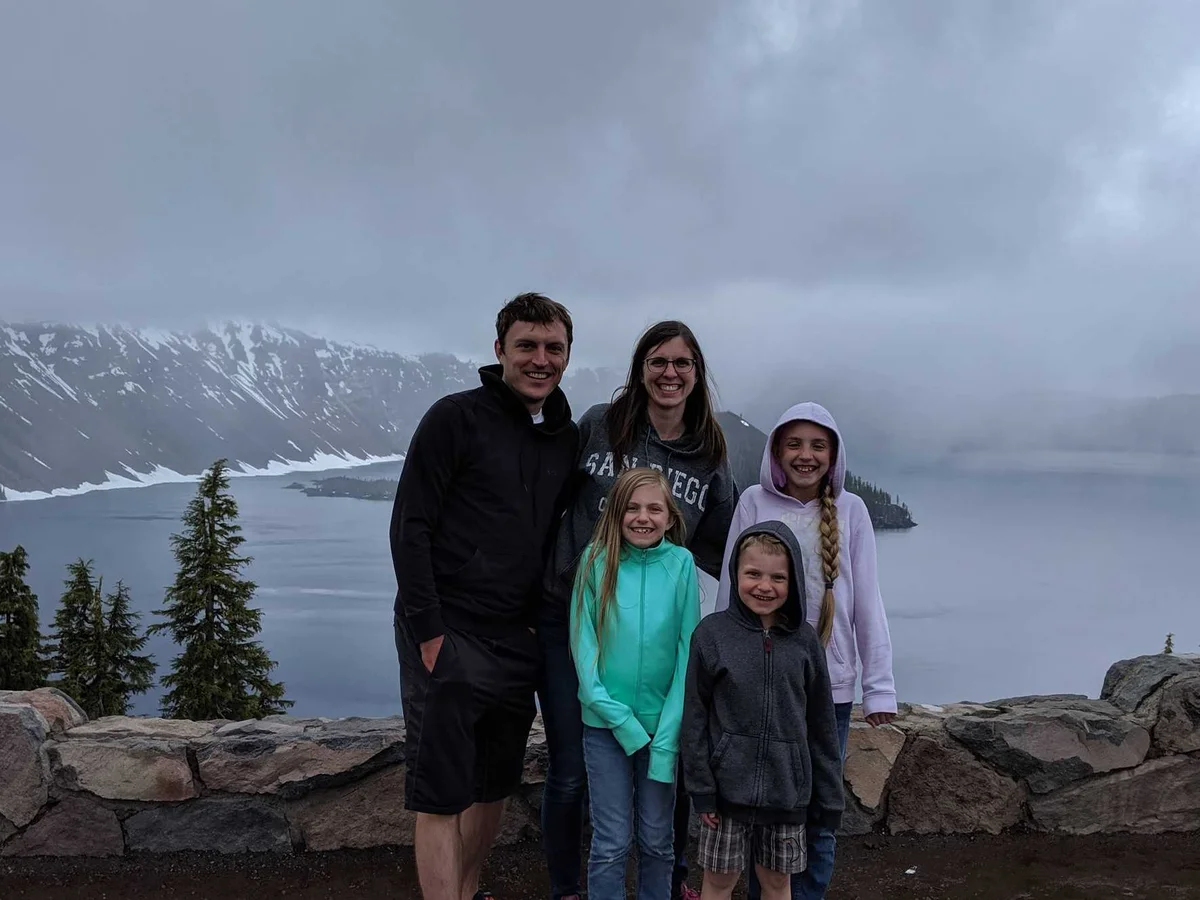
Crater Lake in late spring is a genuinely different park from the one in the photographs, and going without knowing that leads to disappointment. Going with the right expectations makes it one of the best times to visit.
The snow is the whole story
Crater Lake gets one of the heaviest annual snowfalls of any place in the United States — averaging over forty feet. Late spring is not spring at the rim; it is the end of winter.
Rim Drive typically does not open fully until well into summer. Plough crews work through spring and the opening date moves year to year.
Most trails are under snow. The trail to the lakeshore usually opens later than people expect, which means no boat trips and no getting down to the water.
Facilities open progressively, and much of what a summer visitor takes for granted is closed.
Why it is worth going
The lake against snow is extraordinary. That impossible blue, ringed by white, with far fewer people looking at it. It is arguably better than the summer view.


It is quiet. Summer at Crater Lake is busy; late spring is not.
Snowshoeing and ski touring are available when the trails are not walkable, and the rim in winter conditions is spectacular.
Planning it
Check the park’s road status page the week you go. This is not optional. Which sections of Rim Drive are open changes constantly through spring, and it determines what your visit actually consists of.
Assume the south entrance. It is the one kept open year round; the north entrance opens much later.
Expect weather. Snow in June is unremarkable here. Bring layers, waterproofs and proper footwear.
Book accommodation with a fallback. In-park lodging has a short season and opens late.
The realistic version
A late spring visit is a viewpoint visit — you will see the lake from the rim, probably from a limited number of pull-outs, in dramatic conditions, without crowds.
What you will not get is the full circuit drive, the hike down to the water, or the boat. If those are the reason you are going, go later in the summer.

